


27 January 2026
|
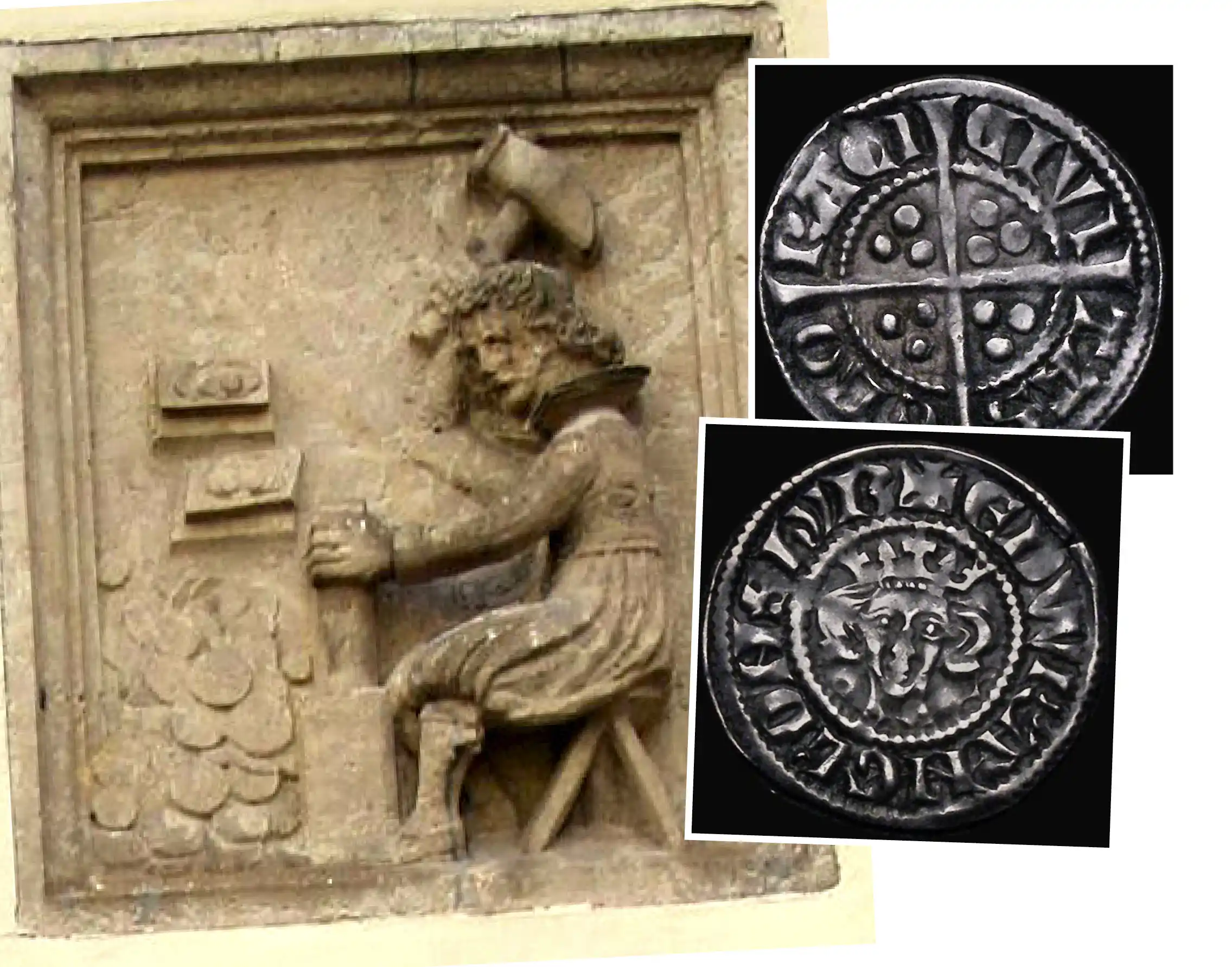
What is a hammered coin and how does it differ from other types of coinage? Find out more and discover some of the world's rare hammered coins in this special collectors' guide.
What are Hammered Coins?
Hammered coins were the most common type of coins for centuries. They were created by striking (or hammering) a design into the coin using dies and a hammer.
The production method involved placing the blank piece of metal between two dies which each featured the intended design.
The bottom die was often embedded into a piece of wood, so it remained stable, then the blank piece of metal was placed on top, with the second die on top of that.
A solid strike with the hammer and the piece of metal was transformed into a coin, with the design now struck on both sides.
Similar process to the now popular tourist souvenir, the pressed pennies.

Why are Hammered Coins Collectable?
No two hammered coins are quite the same.
The old method of creating coins was not without its flaws, and due to the manual approach, the metal planchet would often move, meaning the design was not as central as intended. Therefore, hammered coins can often be found off-centre or with a double strike.
This element makes hammered coins more interesting and collectable. Very few coins are exactly the same.
The off-centre varieties created meant that the proper diameter of the coin was not clear, and this led people ‘clipping’ the coins – snipping off small pieces of the coin and pocketing the precious metal, before melting it down for profit.
This practice was illegal and considered counterfeiting, and the punishment was often severe – including being sentenced to death!
When were Hammered British Coins in Use?
Hammered coins were used in the first millennium BC, so they are the first type of coins to be used. The main periods for collectors are Celtic hammered coins, Roman hammered coins, Anglo-Saxon, Norman, Tudor and Stuart & Commonwealth.
It wasn’t until the 17th century that the method of creating coins changed. In the UK, milled coinage was trialled during the reign of Elizabeth I but produced of hammered coins eventually stopped for good in 1662 as milled coins, created by a machine, were adopted.
Milled coins were much more uniform and are more like the coins we use today.
Most hammered coins will have included information such as the ruler of the region or country, the denomination, and the mint at which the coin was produced – giving collectors the chance to work out where and when the coin was issued. This information is often hard to decipher, especially if the coin is very old or off centre.
Identifying Hammered Coins
If you are not sure if a coin is hammered, ask yourself:
- Is the coin very old and worn down?
- Is the image on the coin off-centre?
- Is the coin not perfectly round?
If you answer yes to these questions, it's very likely to be a hammered coin.
Most hammered coins will have included information such as the ruler of the region or country, the denomination, and the mint at which the coin was produced – giving collectors the chance to work out where and when the coin was issued. This information is often hard to decipher, especially if the coin is very old or off centre.
Are Hammered Coins Valuable?
Because hammered coins were produced across the world for many centuries, there are many hundreds of thousands out there, either in collectors' hands, in museums and collections, or waiting to be discovered (often by metal detectorists). That means there are hammered coins from many different periods, in many different conditions, and with differing mintages, so a lot depends on these factors:
- Condition - is the coin in nice condition, can the design be clearly seen?
- Scarcity - how many of the coins are known to exist today?
- Appeal - is the coin particularly exotic, interesting or historically important?
- Authenticity - is it the real deal? Some hammered coins might be fake.
- Composition - gold coins usually command more than silver coins.
- Denomination - generally speaking, coins with a higher denomination are worth more now
The two examples of an Edward I Penny below (sold by London Coins) show how value can differ depending on condition…


SIGN UP TO THE FREE NEWSLETTER TODAY and we'll send you news, views and coins guides direct to your inbox. It's completely free and a great way to keep up to date with the very latest new coins and enter our latest competitions.
Image of Detail from a wall, Rostock, old relief, coinage: Creative Commons: Till Westermayer