


22 January 2026
|
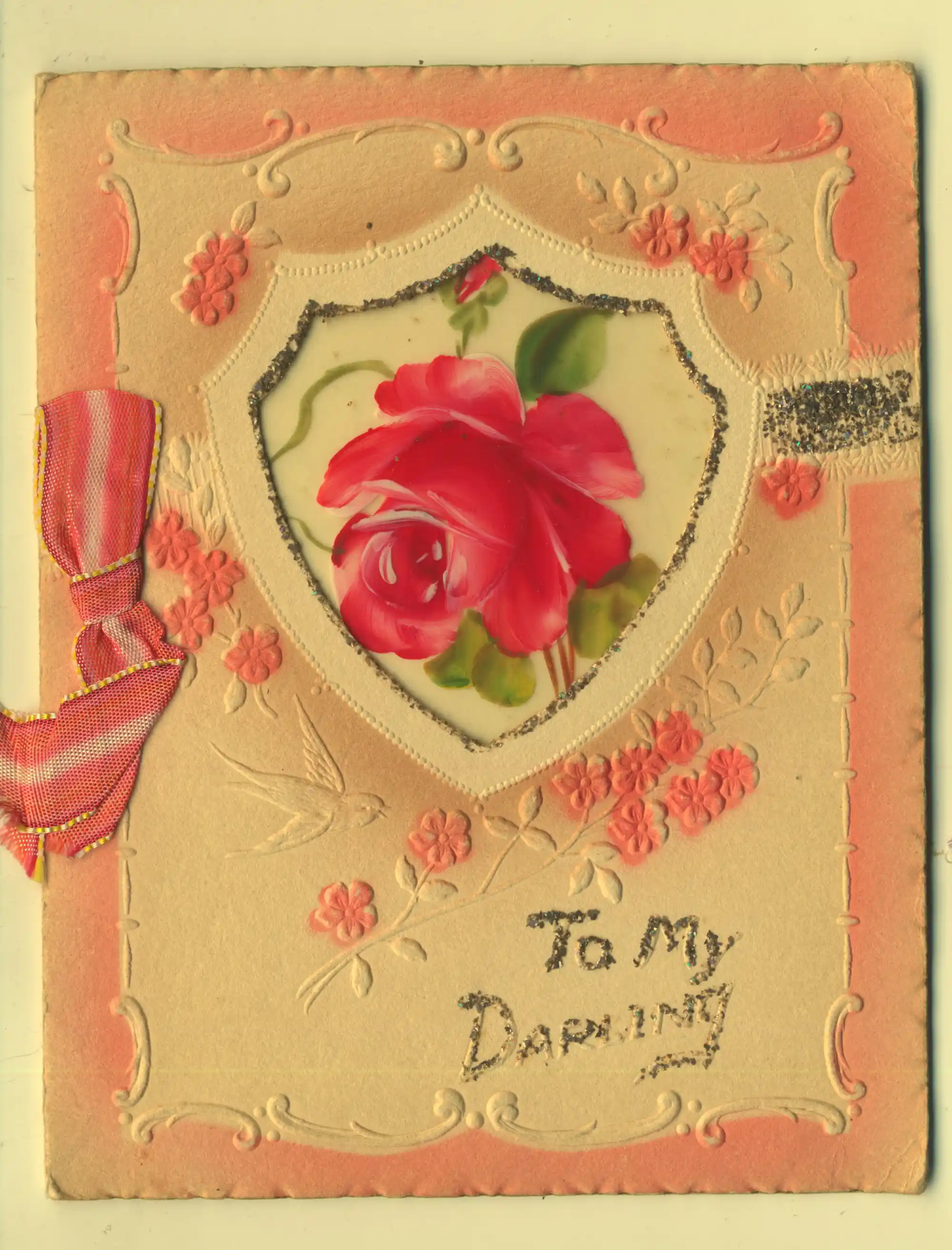
The first greetings cards originated in ancient China and Ptolemaic Egypt. The picture postcard first appeared in the 1870s. Fashions may change, but the appeal of these short, often very personal pieces of ephemera is hard to deny. Especially if you’re a collector.
Season’s Greetings Cards
In China, red symbolises life. Calling cards were already in use in China by the time of the Tang Dynasty (618-907), so when Emperor Taizu of Ming (1368-98) ordered households to display lucky red images for the New Year, it quickly became fashionable to exchange greetings cards too.
The first European New Year cards appeared in Germany around the 1400s, but Valentine’s Day and Christmas cards - whether handmade or printed – remained the most popular form of greetings card, until the 1800s.
Within 15 years, greetings card companies were mass producing cards. Even today, the British still spend around a billion pounds each year to say, ‘happy day’.
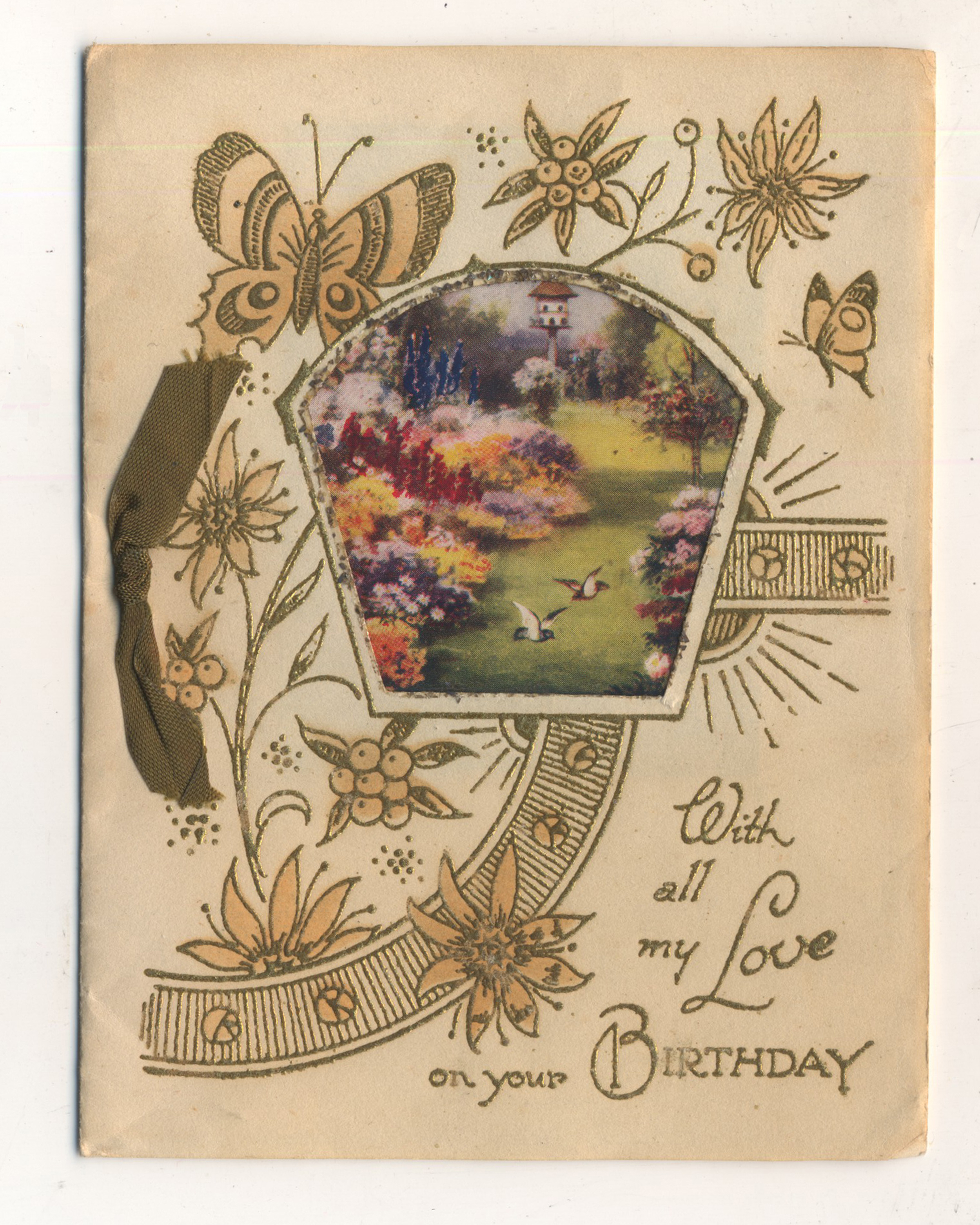
Postcard Collections
People have been sending handmade postcards since the advent of the penny post. The earliest surviving example dates from 1840 and was hand-drawn by the author Theodore Hook.
The idea for a pre-printed card, with space for an address on one side, and a message on the other, was first suggested by Prussian postal office, Ernst von Stephan in 1865.
Good ideas aren’t always recognised as such, and that’s certainly the case with von Stephan’s proposal, which was considered impractical. No one, it was argued, would be willing to send personal messages, that anyone could read, through the mail.
It is no surprise that some of the most valuable postcards and greetings cards are the oldest. In 2002, Theodore Hook’s hand-drawn postcard, which carries a Penny Black stamp, sold for £31,750.
Suggested article: Top 5 Most Valuable British Stamps
In 2001, someone sold a Christmas card illustrated by John Callcott Horsley, which Sir Henry Cole had sent to his grandmother, for £20,000. Only 1,000 of these were printed, and only 12 survive, making it a surprisingly inexpensive ‘famous first’.
However, age isn’t the only price point when it comes to collecting. The condition of the card and whether it’s used or unused is important. Greetings cards designed by prominent names, such as the Victorian artist Kate Greenway or 1960s-staple Tasha Tudor, are very desirable.
Cards featuring recognisable cartoon figures, like Snoopy, Micky Mouse or famous actors, have a loyal fan base. In Hong Kong, Chinese New Year cards bearing the images of actors from Shaw Brothers’ films, which were produced in the 1960s, are still sought-after.
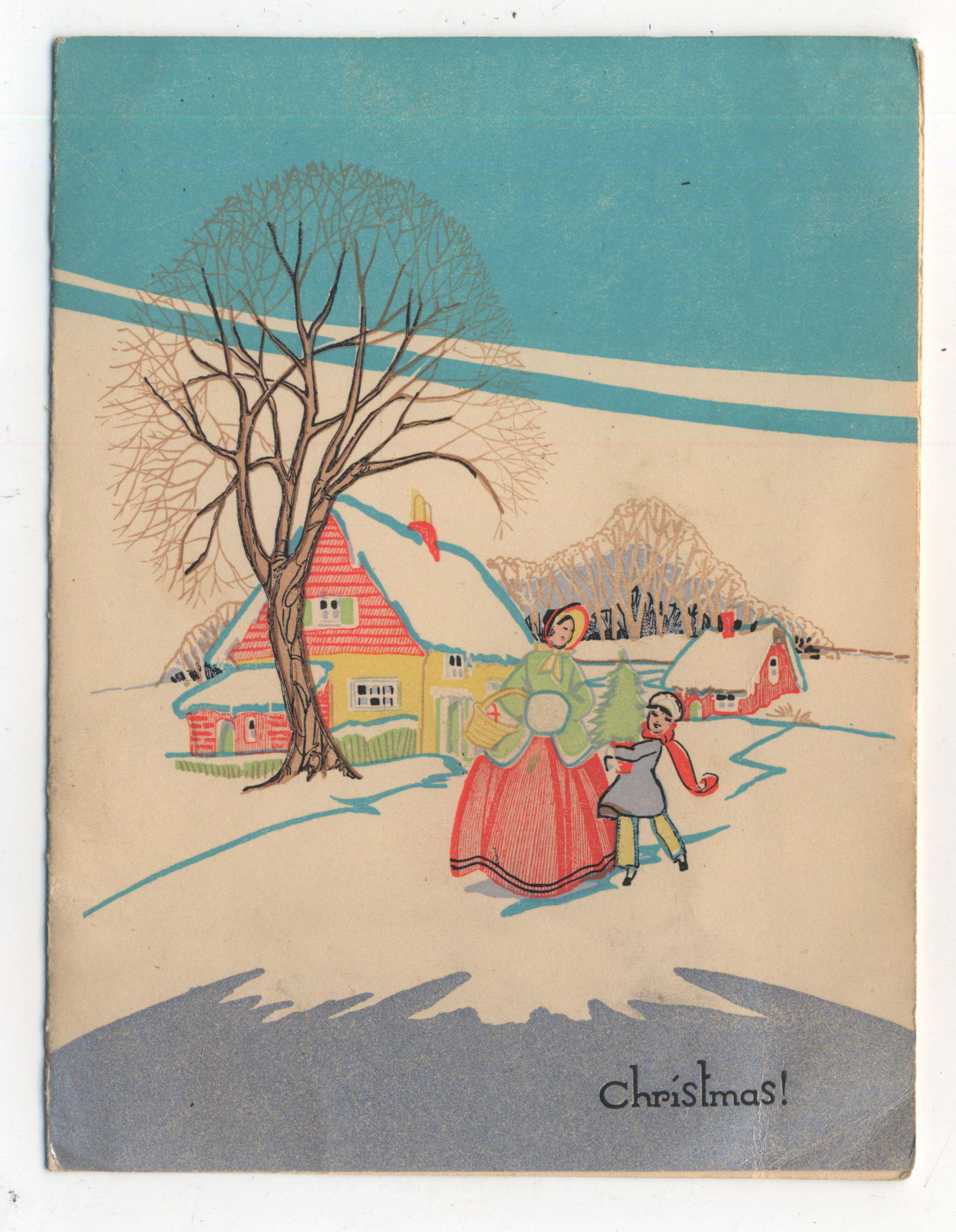
However, deltiology (postcard collecting) is a huge area. Novelty designs, with pop-up images or moving parts are perennially popular but, like philatelists, enthusiasts also collect by themes. Look out for postcards and greeting cards that reference specific places, people or events.
A 1912 postcard celebrating the launch of RMS Titanic, for instance, is worth £2,000. For those on a tighter budget, saucy postcards by the iconic Donald McGill can be bought for a few pounds.
Join our Collecting Newsletter to keep up to date with all the latest news, reviews and full guides!