


20 February 2026
|
Here is our guide to the types of sites where fake diecast most commonly appear, along with what to watch out for before making a purchase.
Fake, counterfeit, and unlicensed diecast models are primarily sold through online marketplaces and specialised online retailers. While the internet has made collecting easier than ever before, it has also created opportunities for counterfeiters to reach a wide audience quickly. Knowing where to look, and what to look for, is essential if you want to ensure you are buying a genuine diecast model.
Online Marketplaces
Counterfeit models are frequently found on platforms such as eBay, Facebook Marketplace, and Gumtree. These sites allow private sellers to list items with minimal oversight, which can make them a hotspot for counterfeit and misrepresented diecast models.
When browsing listings, focus carefully on the photographs provided, particularly images of the box. Look closely for spelling mistakes, unusual fonts, incorrect logos, or slight design differences from official releases.
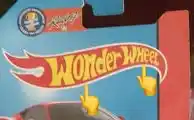
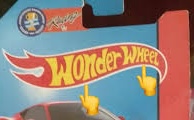
For example, if you are searching for a Hot Wheels car, many counterfeit boxes will simply say “Hot Wheel” or "Wonder Wheel" instead of the correct brand name. Small omissions like this are a common sign of a fake product.
Some listings may also explicitly advertise reproduction boxes. While these may be described as such, they can falsely boost the perceived value of a common or damaged model.
For many collectors, the original box is part of the model’s authenticity and provenance. Reproduction packaging ultimately lowers the value of a model in the eyes of serious collectors, even if the model itself is genuine.
It is also worth noting that photographs can sometimes be misleading. Sellers may use stock images rather than pictures of the actual item for sale. If in doubt, request additional photographs, particularly of the baseplate, interior, and close-ups of any branding or manufacturer marks.
International Retail Sites
Large international retail platforms such as AliExpress are a major source for unlicensed diecast models. These sites often feature unbranded or “clone” products that lack official manufacturer licensing.
You may see models carrying logos from well-known automotive brands such as Lamborghini, Porsche, or Volkswagen. However, the presence of a logo alone does not guarantee that the model is officially licensed.
Always make sure to check carefully for licensing information. Logos on diecast models and packaging tend to be small, and some sellers rely on buyers not noticing subtle differences. In some cases, branding may look correct at first glance but lack any formal licensing statement from the manufacturer.
Many of these sites also advertise so-called “factory rejects.” These are often presented as authorised surplus or items that did not meet quality control standards. They are frequently unlicensed models.
They may feature subtle name changes to mimic real brands, such as “Maxto” instead of Maisto. At a quick glance, the name appears convincing, but closer inspection reveals the difference.
While prices on these platforms can be tempting, the lack of proper licensing and brand authenticity means these models hold little long-term collector value.
Suggested Article: How to Spot Fake Diecast Models
Replicated Markets
Another area to be cautious of is the resale of modified or replicated models. Sellers may convert common models into copies of rarer versions, particularly in brands such as Matchbox.
This can involve changing the wheels, altering the bodywork, or repainting the livery to replicate the look of a scarce release. In some cases, decals are added to imitate a limited edition or promotional model. While the finished product may look convincing in photographs, it is not an original example.
These alterations significantly reduce the collector value. A modified common model does not carry the same historical or financial worth as a genuine rare issue, even if it closely resembles one.
Collectors should pay close attention to consistency. Compare wheel types, paint finishes, casting details, and base markings with verified examples from trusted sources. Any deviation, no matter how small, should be investigated before purchase.
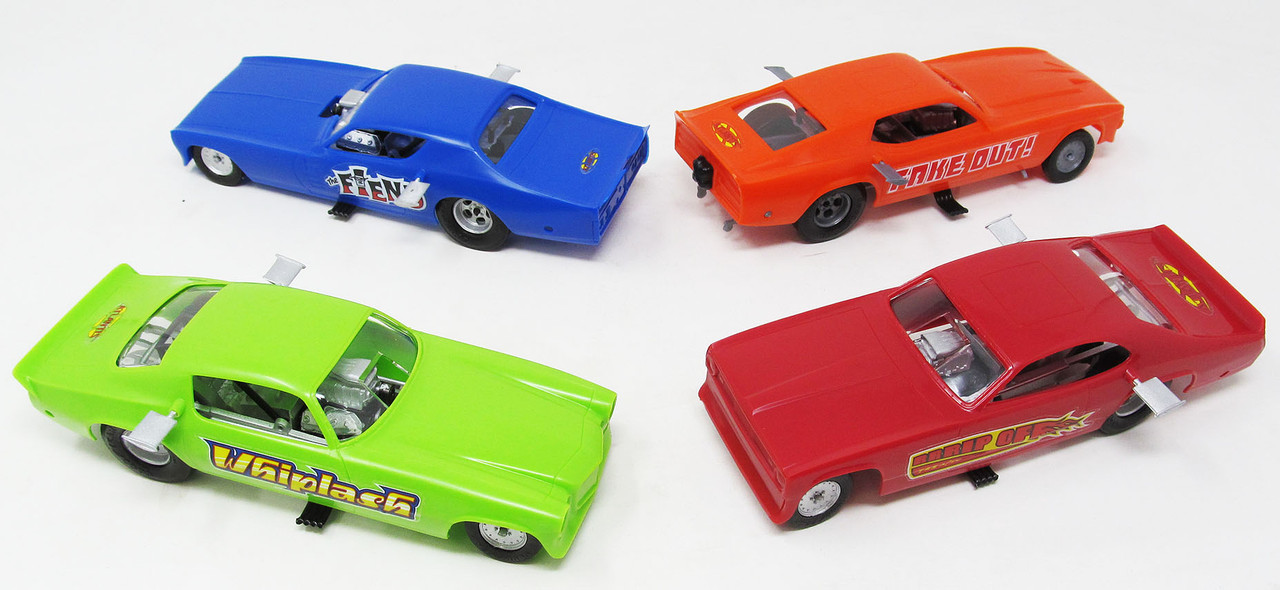
Buying diecast models online offers convenience and access to a global marketplace, but it also requires vigilance. Counterfeit, unlicensed, and modified models can appear convincing, particularly in carefully staged photographs.
By checking packaging carefully, verifying licensing, watching for spelling errors and brand inconsistencies, and being wary of models that appear “too good to be true,” you can reduce the risk of purchasing a fake. When possible, buy from reputable sellers with clear photographs, transparent descriptions, and established feedback.
Taking the time to examine the details will help ensure that the model you add to your collection is genuine — and that its value, authenticity, and enjoyment remain intact.
UK Toy collectors can get the latest collecting news by signing up for the Collectors Club of Great Britain’s newsletter.