


04 March 2026
|
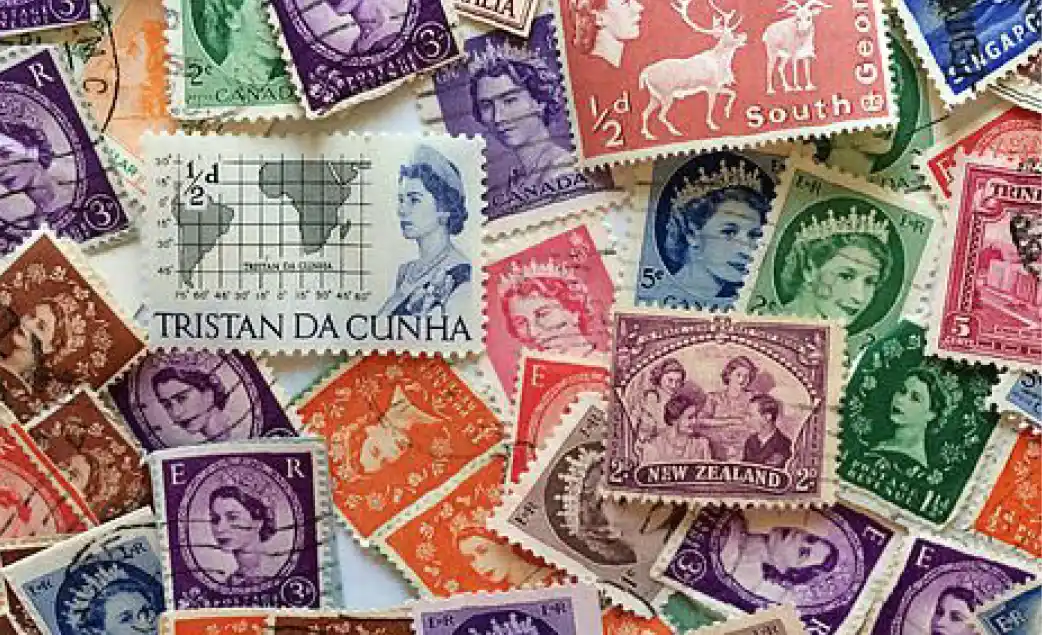
The stamp collecting hobby has a very specific vocabulary and it can often be hard to understand the meaning of every word, so we have created this handy glossary to help cover all things stamp collecting jargon.
Approvals
Approvals are groups of stamps that dealers send to collectors when asked. Collectors keep the stamps they want to buy and send the rest back with payment.
Admirals
The ‘admirals’ is the name given to three British Commonwealth series of stamps that depict King George V in a naval uniform.
Suggested article: Top 10 Rare King George V Stamps
Arrow
An arrow is a V-shaped marking applied to stamp sheet margins which serve as a guide for cutting.
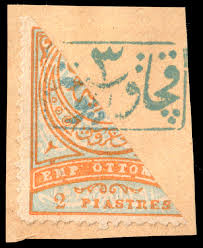
Bisect
To bisect, is the process in which a stamp is physically halved, whilst also keeping its original full value. Therefore, each half will be worth half the stamps original price.
This method has been used during times of common stamp shortages.
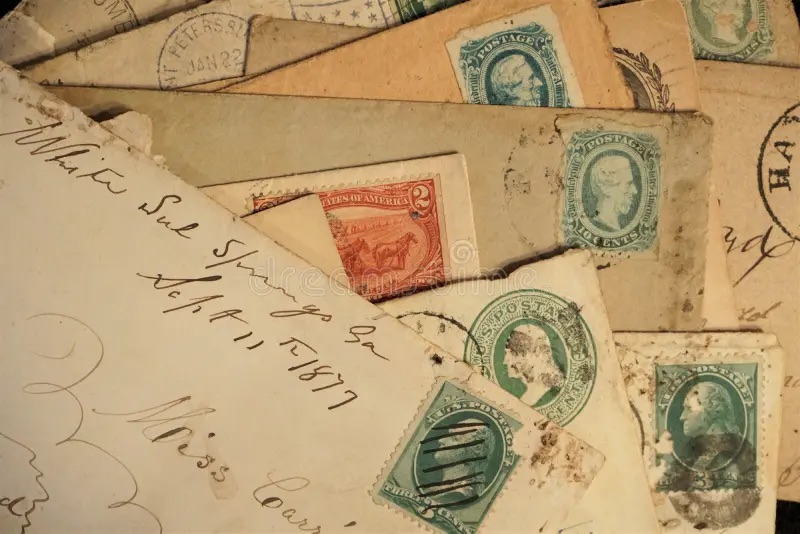
Bishop Mark
Henry Bishop presented the first ever postmark in 1661. This postmark included the month and day of the recipient by the post office. This way postal carriers would deliver on time.
Bourse
A bourse is a conference in which stamps and covers are sold or traded, typically without competitive exhibits.
Many stamp exhibitions include a dealer bourse, but bourses can also take place on their own without an exhibition.
Burelage
The burelage is an array of thin lines. These are printed on the security paper to prevent forgeries, cleaning and reuse. Sometimes it is even included as part of the design.
Cancel
The handstamp or postmark placed over a stamp to show it has been used. While stamps are usually marked with simple cancels showing the date and location of post office, commemorative cancels show relevant images or slogans.
Centring
Centring is the position of the design in relation to its margins. A stamp’s grade is largely determined by its centring, presuming the stamp is not damaged. So, a well-centred stamp would command a higher value than an example with smaller or inconsistent margins.
Cinderella
Cinderellas are a label or stamp that is not valid for postage. They are called Cinderellas because they are not invited to the ‘postal party’.
This includes seals, advertising labels, poster stamps, local post stamps and more.
Combination Cover
When stamps from more than one country are found on a cover, due to the postal item’s journey through multiple nations.
The term is also used to describe combinations of cancellations, including those of the same country added on different dates.
Controlled Mail
Also known as ‘philatelic mail.’ The term refers to a letter sent deliberately through the postal system by a collector who wishes the item to be cancelled on a particular date or at a particular location, making the item more desirable.
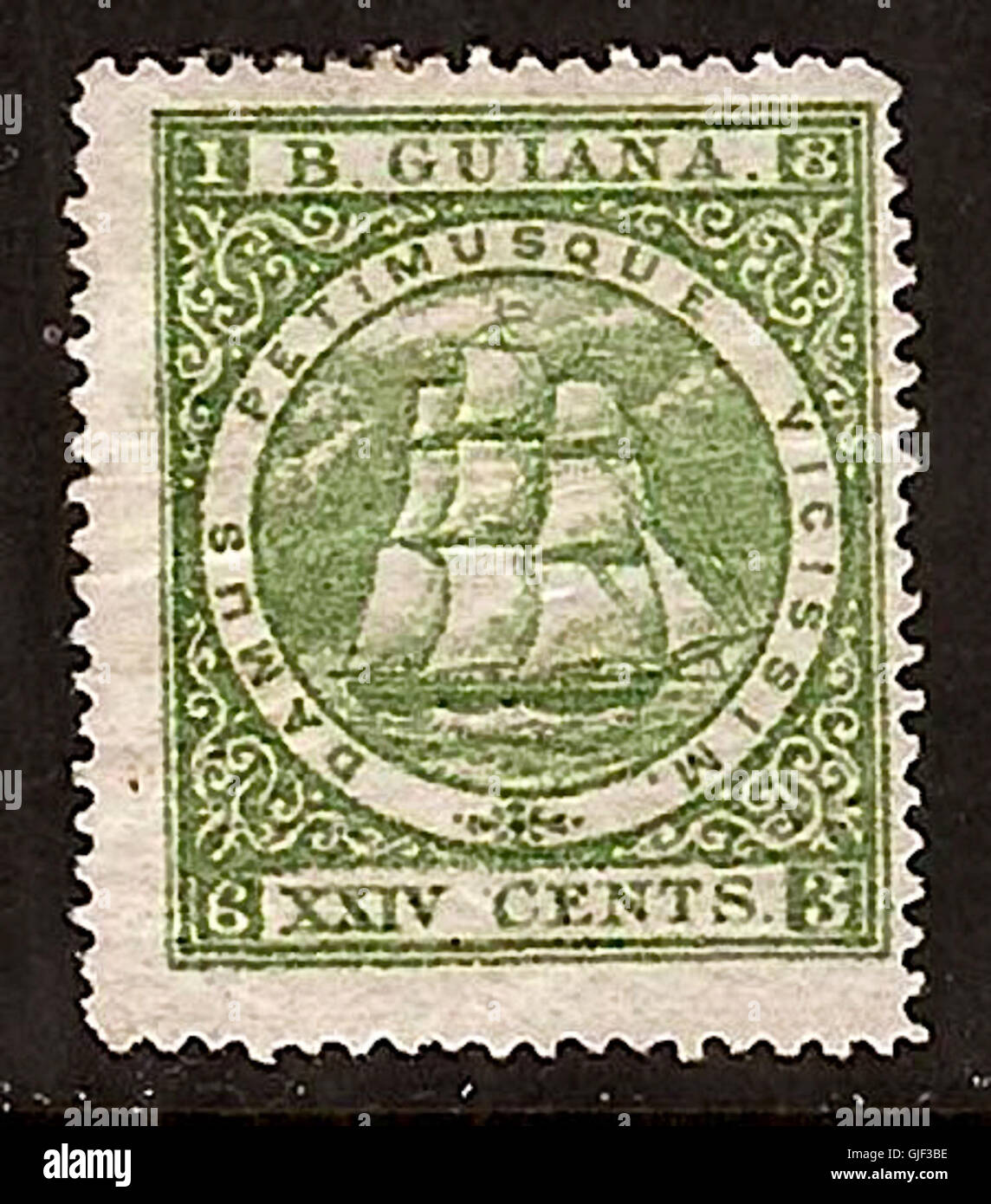
Cotton Reels
The name given to stamps with a circular design like the label placed on the end of a cotton reel.
The most famous examples are the early Bermudan stamps produced by William Perot, the postmaster of Bermuda between 1812 and 1862.
Crash Cover
A cover retrieved or rescued from a vehicle crash of some kind, as the name states. The cover will usually include an explanation if there is any damage or a delay, and may exhibit signs of the accident, such as being torn or signed.
Dead Country
A ‘dead country’ stamp was produced in a country or territory which no longer exists or no longer produces postage stamps.
Die
The original engraving of a stamp design, usually placed on steel, is known as the die. Multiple dies are often used in the production of a stamp creating several distinctive varieties for the specialist collector to identify.
Die Cut
A die cut is a form of separation used mainly on self-adhesive stamps. During the production process, an edge tool penetrates the stamp paper, so that individual stamps can later be easily removed.
Die cuts can be straight or shaped and are often designed to mimic the marks made by perforation teeth.
Deltiology
The collecting of picture postcards.
Dummy Stamp
Official ‘fake’ stamps created and used for training or testing processes.
Error
A stamp with incorrect printing or folding resulting in a lack of a particular colour or a misprint of some sort.
Known errors would often be destroyed by the issuing authority; however, many examples reach the market and can fetch huge amounts at auction.
Fiscal
A stamp for financial purposes, such as a tax stamp or revenue stamp, which has been authorised for postal use.
Foxing
The term ‘foxing’ refers to a rust-like brown stain which can appear on stamps, particularly older ones.
The causes of foxing are still not fully understood, but it may be caused by high humidity or by a fungal growth on the paper. To prevent foxing, stamps should ideally be stored at a temperature of less than 18 ºC and a humidity of 55 to sixty percent.
Fugitive Inks
Inks which easily disappear and break down in water or any water-based component.
Gravure
Rather than by hand engraving, this is a printing process created by both chemical and photographic means. A gravure uses an intaglio printing plate.
Locals
Stamps issued in a particular town or region by a small, independent post office or a private organisation.
Locals can be philatelic, such as the stamps of small islands Lundy or Shuna, or can be produced in times of war when the national postal service is not operating efficiently.
Mulready
Designed by William Mulready, the first letter sheets and envelopes introduced as part of the British Post Office postal reforms of 1840.
They featured a pictorial design which also served as proof of prepaid postage. The elaborate design on the stationery shows Britannia at the centre with a shield and a reclining lion, yet the product was met with derision by the public.
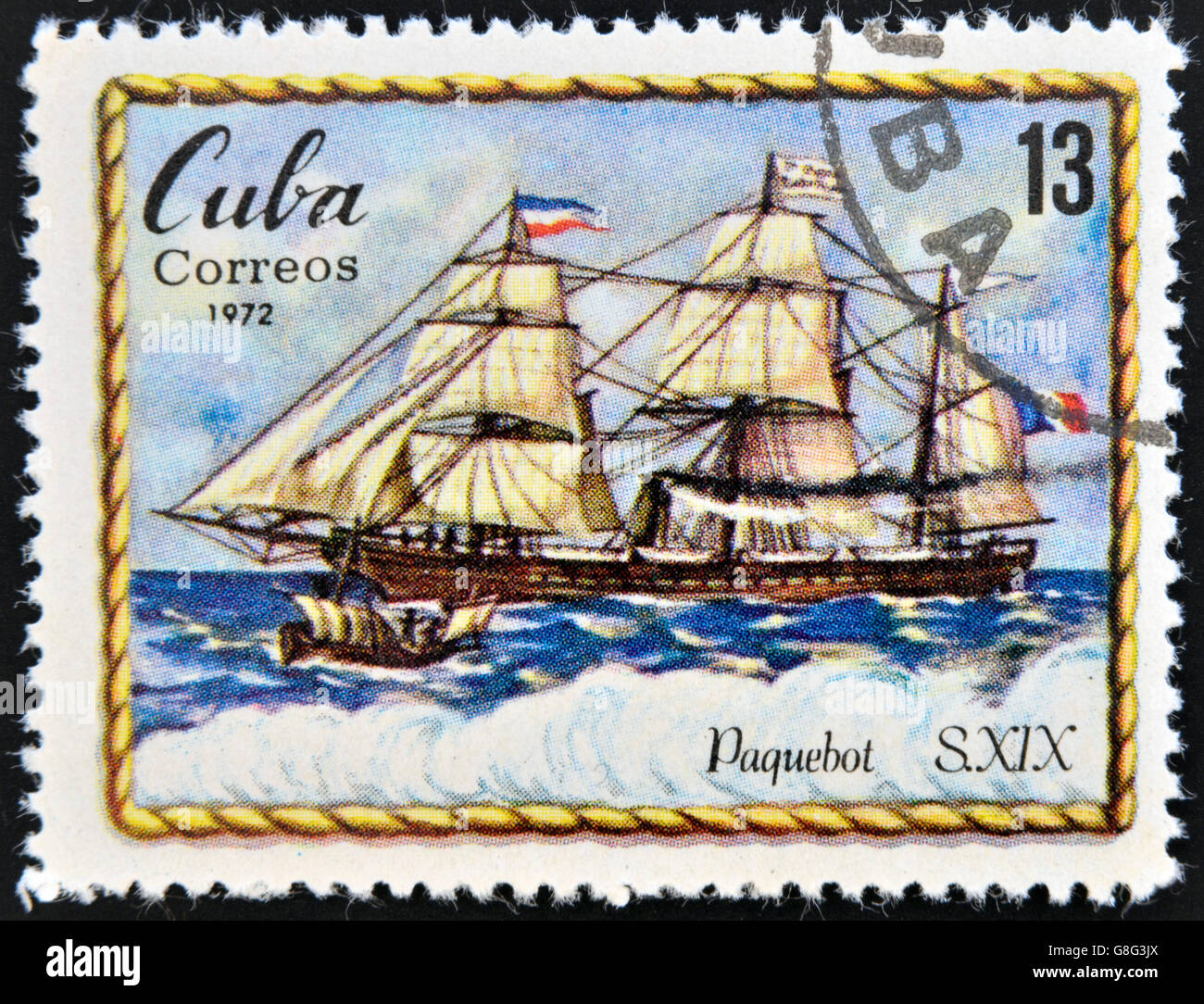
Paquebot
Paquebot cancellations show not only the routes used around the world, but they also provide a record of the time certain vessels were on the high seas.
This makes the markings a useful tool for recording maritime postal history.
Photogravure
The photogravure stamp printing process involves screening the image to create rows of cells or dots. The ink then rests in the depressions created and the paper is forced into these depressions to form the image.
The colours seen on photogravure stamps are less solid, with distinct edging to the image.
Philately
The study of postage stamps, postal history, and the history of the postal system. Find out more in our introduction to philately.
Se-Tenant
A French phrase meaning 'joined together', which is used to describe adjoining stamps which differ in design, colour, value, or overprint.
Once a very rare occurrence, se-tenant stamps are now very common, with most issuing countries using the format on most of their commemorative issues.
Surcharge
Surcharges are usually issued when there’s no time or resources to create a new stamp showing the new denomination.
Surcharging existing stamps was a relatively common occurrence but is now scarcer.
TPO
Stands for Travelling Post Office. A TPO consisted of a railway wagon, van or coach fitted out with frames (known as 'pigeonholes') to sort letters and other mail items while the train is on the move. The first such service began in January 1838.
Underprint
A form of authentication, with text or a symbol printed beneath the stamp's main design.
Wilding
Named after the photographer Dorothy Wilding, the Wildings are another name for the first definitive stamps of Elizabeth II.
The portrait of the Queen was taken in February 1952, following the death of King George VI. The image was replaced in 1967 with the introduction of the Machin head design.
Put your new jargon knowledge to the test with the next edition of Stamp Collector inc Coin Collector!